An enterprise ecommerce platform supporting B2B, B2C, multi-brand, multi-market, and system integration
Adobe Commerce (Magento)
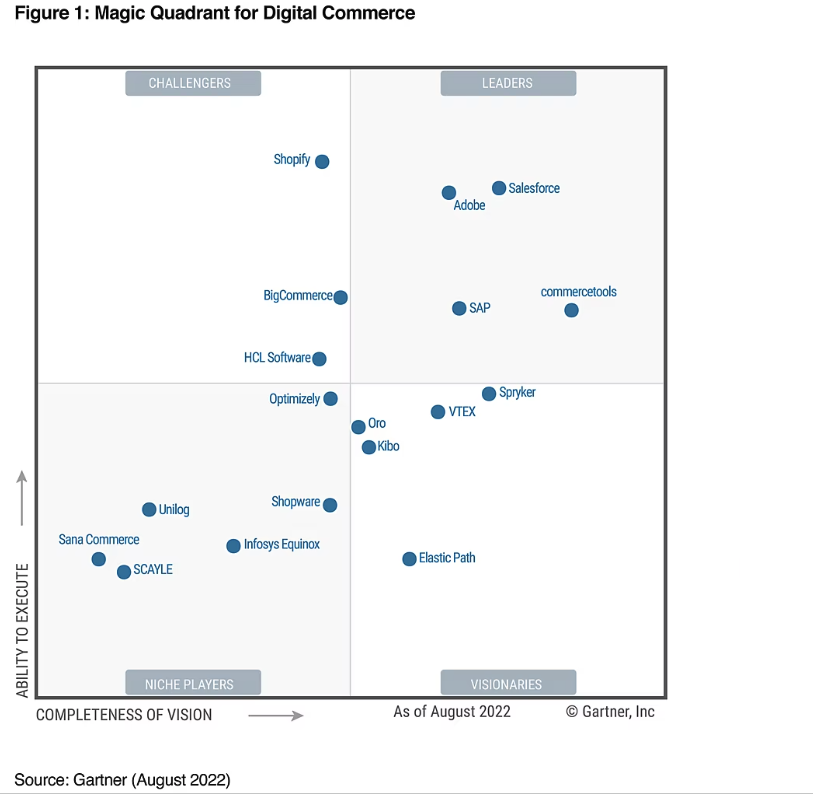
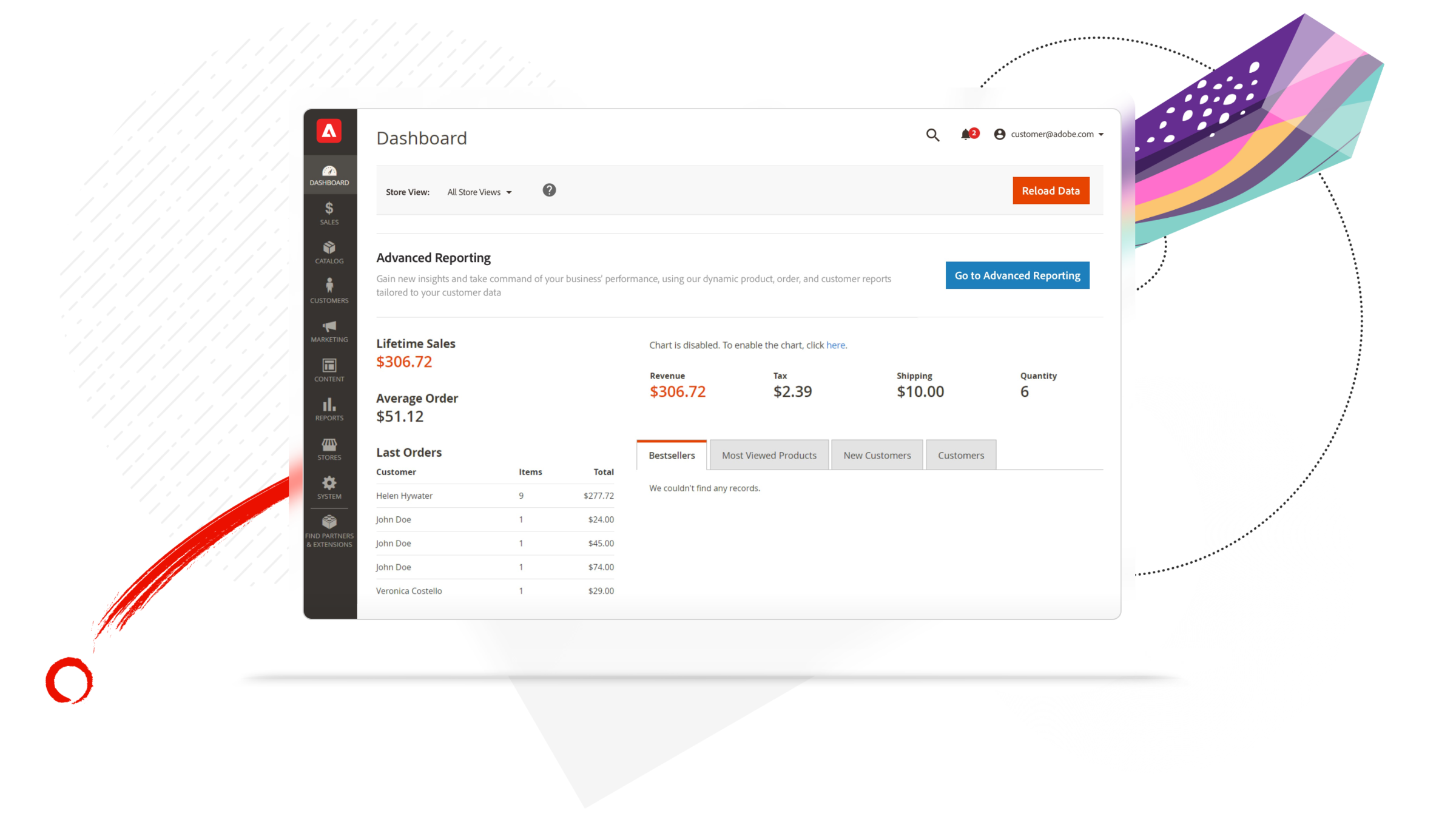
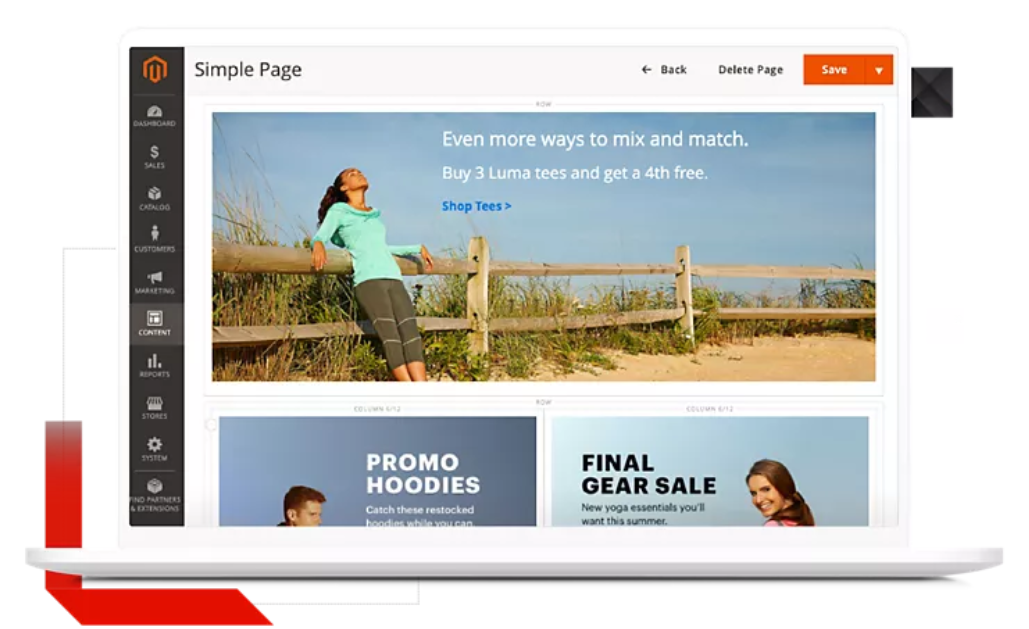
Adobe Commerce (Magento) is an enterprise ecommerce platform under Adobe, suitable for mid-to-large enterprises that require high flexibility, scalable architecture, multi-brand management, multi-language operations, B2B/B2C business models, and deep system integration. Through Adobe Commerce, enterprises can build a stable, secure, and scalable digital commerce platform that supports product management, pricing rules, membership operations, promotions, order workflows, content-driven shopping guidance, personalized recommendations, and cross-system data integration—helping brands improve online sales, operational efficiency, and customer experience.
Key Features and Benefits
Which Enterprises is Adobe Commerce Suitable For?
Adobe Commerce (Magento) is especially suitable for:
- Mid-to-large retailers, brand owners, wholesalers, and distributors
- Enterprises operating both B2B and B2C models
- Businesses requiring multi-brand, multi-market, multi-language, and multi-currency management
- Enterprises with complex product, pricing, membership, promotion, and order workflows
- Businesses integrating ERP, CRM, PIM, OMS, WMS, logistics, and payment systems
- Enterprises integrating with AEM, Adobe Target, Adobe Analytics, CDP, or marketing automation platforms
- Companies upgrading from Magento, Shopify, WooCommerce, or custom-built platforms
If a business only needs a simple standardized online store, SaaS platforms like Shopify may be more suitable. However, if the business requires long-term scalability, deep integration, multi-market operations, and high customization, Adobe Commerce is a more flexible choice.
Solution Scenarios
Integrated B2B and B2C Ecommerce Platform
Adobe Commerce supports both enterprise customers and consumers, including corporate accounts, quotation requests, exclusive pricing, membership tiers, promotions, cart, checkout, and order management, helping businesses build a unified digital commerce platform.
Multi-Market and Cross-Border Ecommerce Operations
Through multi-website, multi-store, multi-language, and multi-currency architecture, Adobe Commerce supports localized content, products, pricing, taxes, payments, and logistics rules across regions.
Content-Driven Brand Shopping Experience
When integrated with AEM, Adobe Commerce enables the combination of brand content, landing pages, campaigns, product information, and shopping functions, improving collaboration between content and commerce teams.
Highly Integrated Enterprise Operations Platform
Adobe Commerce integrates via APIs with ERP, CRM, PIM, OMS, WMS, payment, logistics, membership, and marketing platforms, reducing manual processes and improving data synchronization efficiency.
Integration with Adobe Experience Cloud
Adobe Commerce can be used together with other Adobe Experience Cloud products to help enterprises upgrade from a single transaction platform to a complete digital experience and commerce platform.
| Integrated Products | Use Cases |
|---|---|
| Adobe Experience Manager (AEM) | Build content shopping pages, brand pages, campaign pages, and multilingual content management |
| Adobe Target | Support personalized recommendations, A/B testing, and optimization of content and product experiences |
| Adobe Analytics | Analyze shopping journeys, product performance, conversion funnels, and customer behavior |
| Adobe Real-Time CDP | Integrate customer data to build a more complete customer and audience view |
| Adobe Journey Optimizer | Support cross-channel customer journeys, automated interactions, and personalized communications |
How LeadsTech Helps Enterprises Implement Adobe Commerce

Leadstec helps enterprises evaluate, plan, and implement Adobe Commerce (Magento). Based on business models, system architecture, and market development needs, we provide platform selection, technical planning, system implementation, AEM integration, data integration, SEO/GEO optimization, and long-term maintenance support.
Support scope includes:
- Adobe Commerce / Magento implementation consulting
- B2B / B2C / B2B2C e-commerce architecture planning
- Multi-brand, multi-store, and multilingual architecture design
- Product, pricing, customer, promotion, and order workflow configuration
- AEM and Adobe Commerce integration
- Integration with ERP, CRM, PIM, OMS, WMS, payment, and logistics systems
- Website analytics, SEO/GEO, performance, and conversion rate optimization
- Go-live training, technical support, and long-term maintenance services
Successful Cases
Our Services

Requirement Planning and Consulting
Helping enterprises evaluate whether Adobe Commerce fits their business model and define architecture, features, integration scope, and budget planning.

Platform Implementation
Building Adobe Commerce including products, customers, orders, promotions, multi-language, multi-store, roles, and SEO setup.

Custom Development
Custom frontend/backend features, API integrations, and third-party modules based on business requirements.

System Integration
Integration with ERP, CRM, PIM, OMS, WMS, payment, logistics, customer, analytics, and marketing platforms.

Training and Go-Live Support
Backend training, testing support, go-live validation, and operational handover.

Maintenance and Optimization
Ongoing support, security patches, performance optimization, feature updates, SEO/GEO optimization, and long-term maintenance.
Frequently Asked Questions
Q1: What is the relationship between Adobe Commerce and Magento?
Magento was the original open-source ecommerce platform. After Adobe acquired it, it evolved into Adobe Commerce. The enterprise version is now called Adobe Commerce, while Magento Open Source still exists for basic or highly customized projects.
Q2: Which enterprises is Adobe Commerce suitable for?
It is suitable for mid-to-large retailers, brands, B2B companies, wholesalers, distributors, cross-border ecommerce businesses, and multi-brand enterprises requiring complex workflows.
Q3: Does Adobe Commerce support B2B ecommerce?
Yes. It supports corporate accounts, roles, quotations, customer groups, exclusive pricing, bulk ordering, order management, and procurement workflows.
Q4: Can Adobe Commerce integrate with AEM?
Yes. It integrates with Adobe Experience Manager (AEM), enabling content management, campaign pages, and commerce data integration.
Q5: Can Adobe Commerce integrate with ERP, CRM, PIM, OMS?
Yes. It supports API-based integration with enterprise systems.
Q6: How long does Adobe Commerce implementation take?
It depends on scope, complexity, product data, languages, integrations, and testing requirements. Enterprise projects are usually implemented in phases.